


Countywide
This Week in Bastrop County History: Nov. 27–Dec. 3
The second edition of Bastropia's weekly history feature: a Dec. 2, 1889 contract for Bastrop's first iron bridge, tying into this week's reopening, plus December dates for the county's name, downtown's National Register listing, the railroad at Elgin, and McDade's 1883 Christmas, with historic and later photographs.
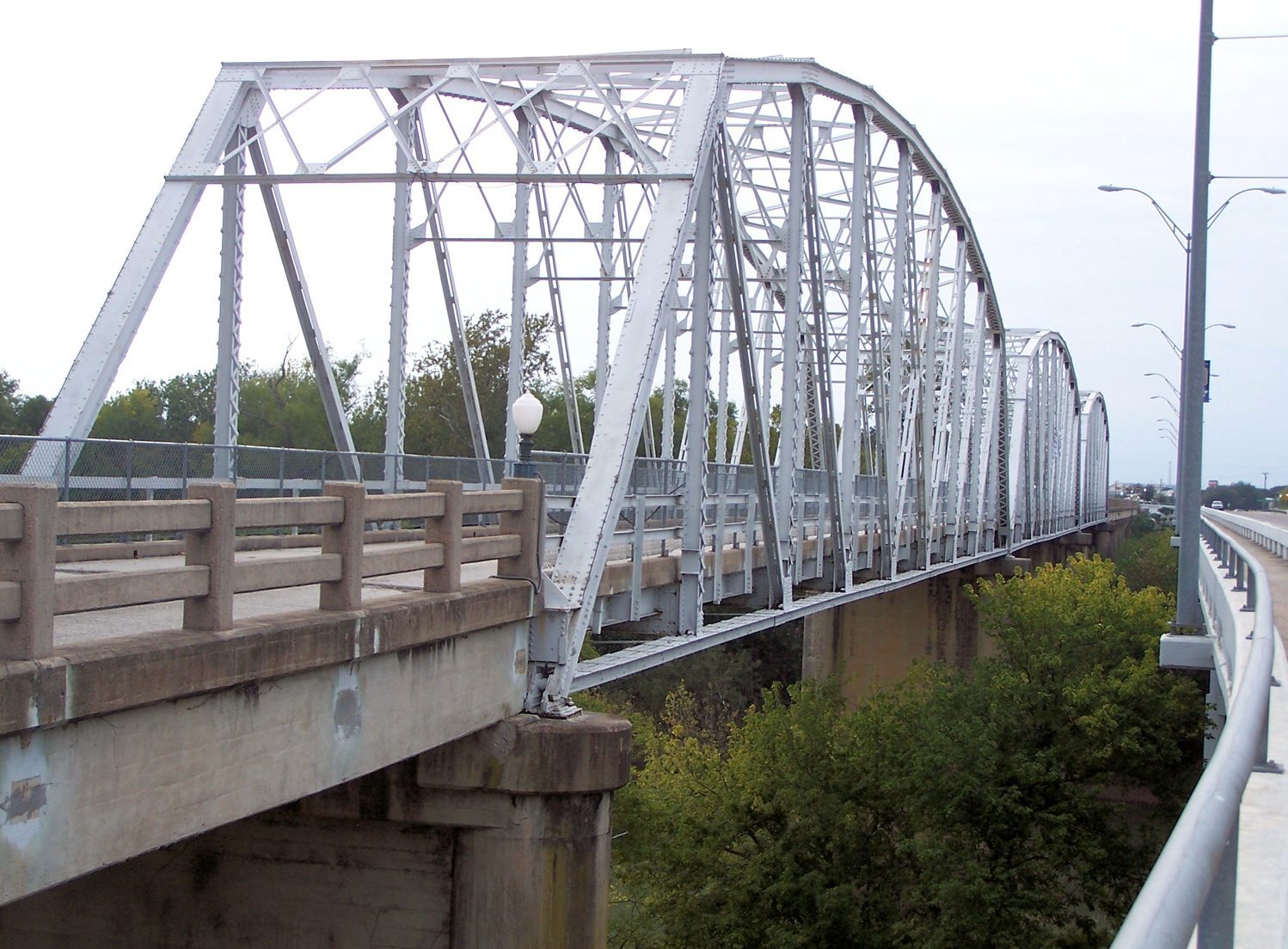
This is the second edition of This Week in Bastrop County History, a weekly look at dated events whose anniversary falls in the days ahead. One date in this edition can be pinned to Nov. 27–Dec. 3 itself: the 1889 contract for Bastrop’s first iron bridge over the Colorado River. That story has a current echo this Thursday, when the 1923 bridge that replaced it is scheduled to reopen to pedestrians. Four more items fall later in December and are marked below as this month in history.
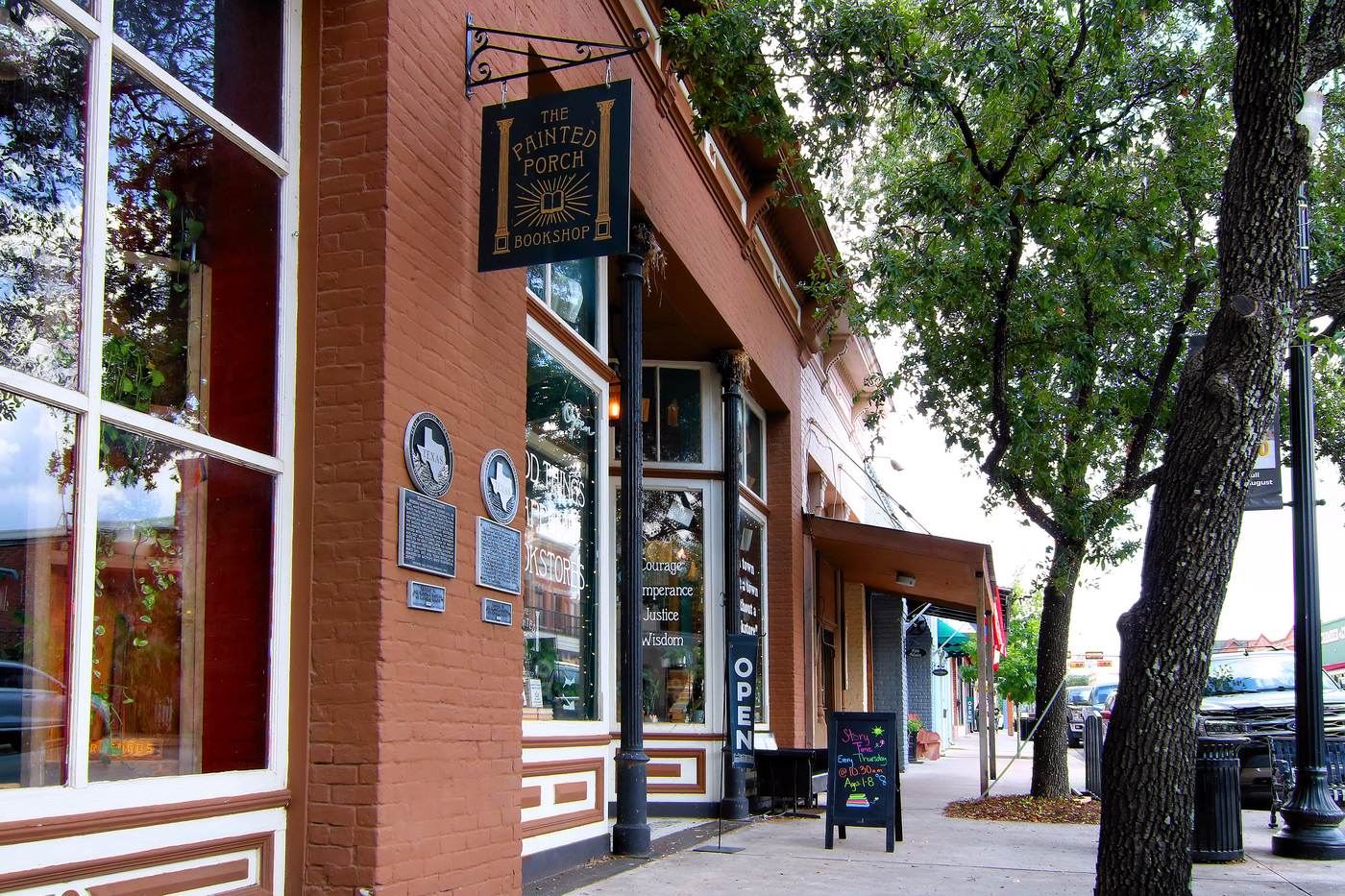
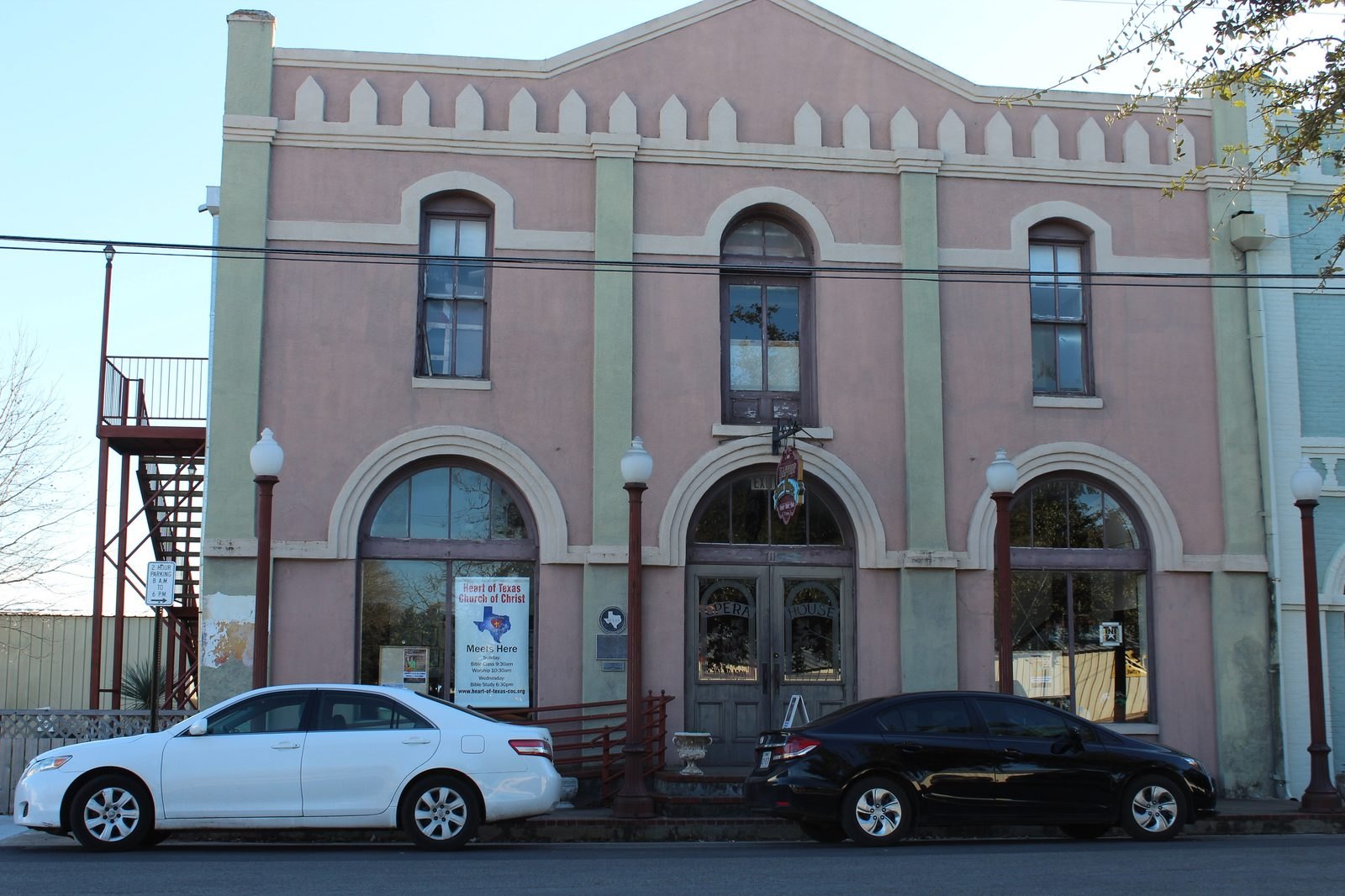
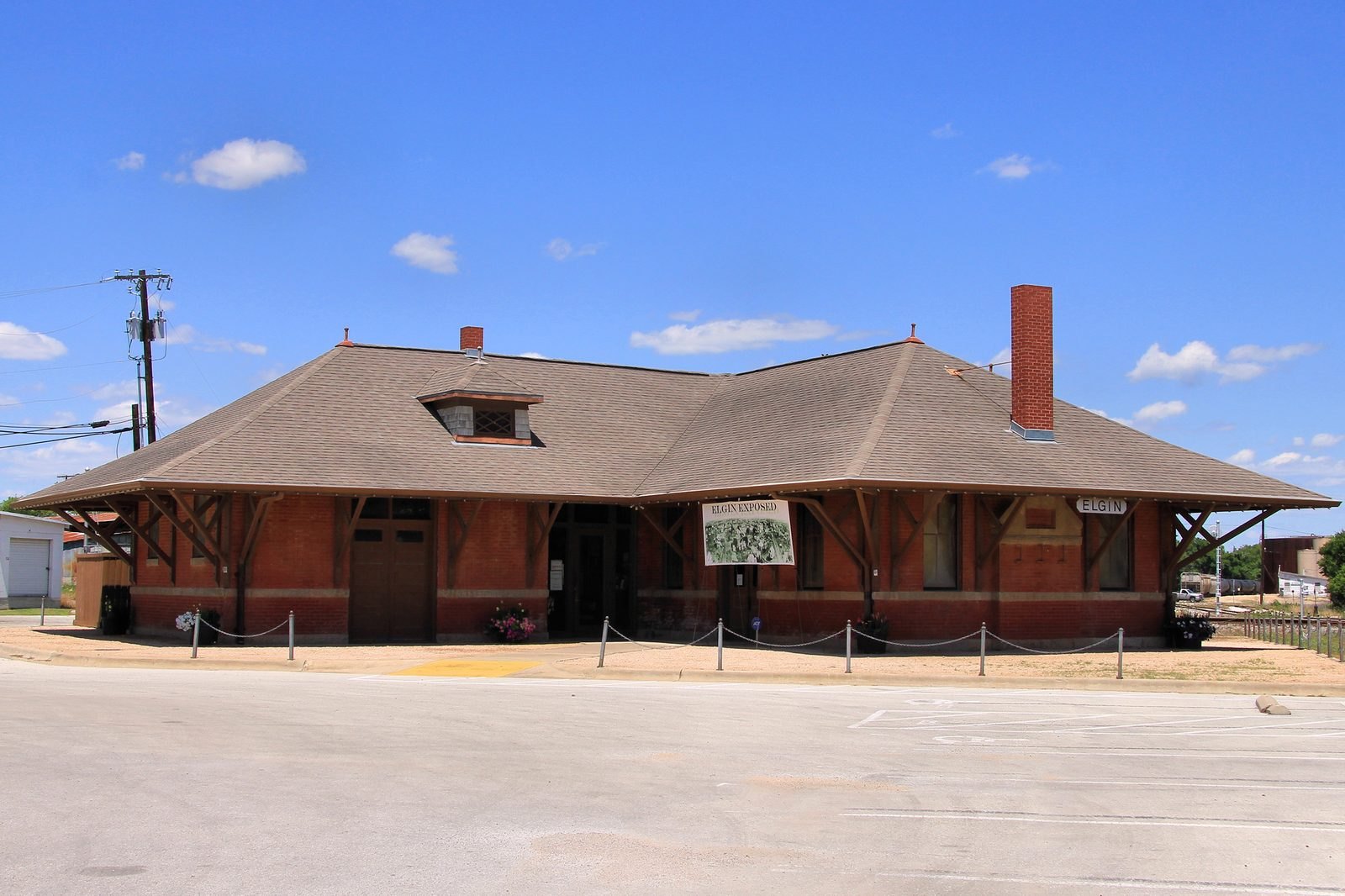
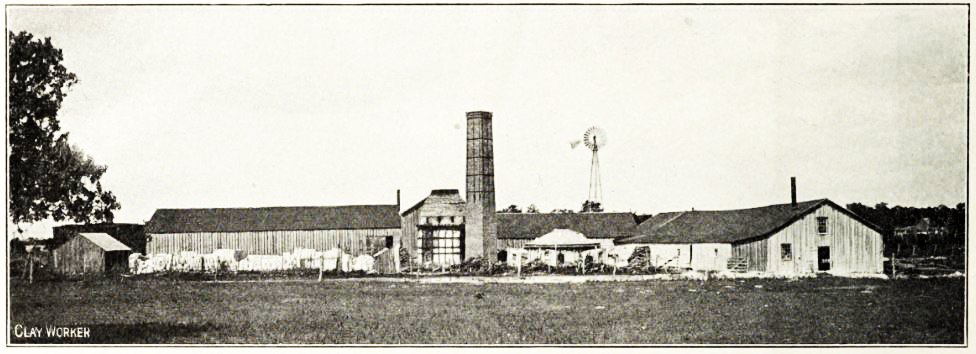
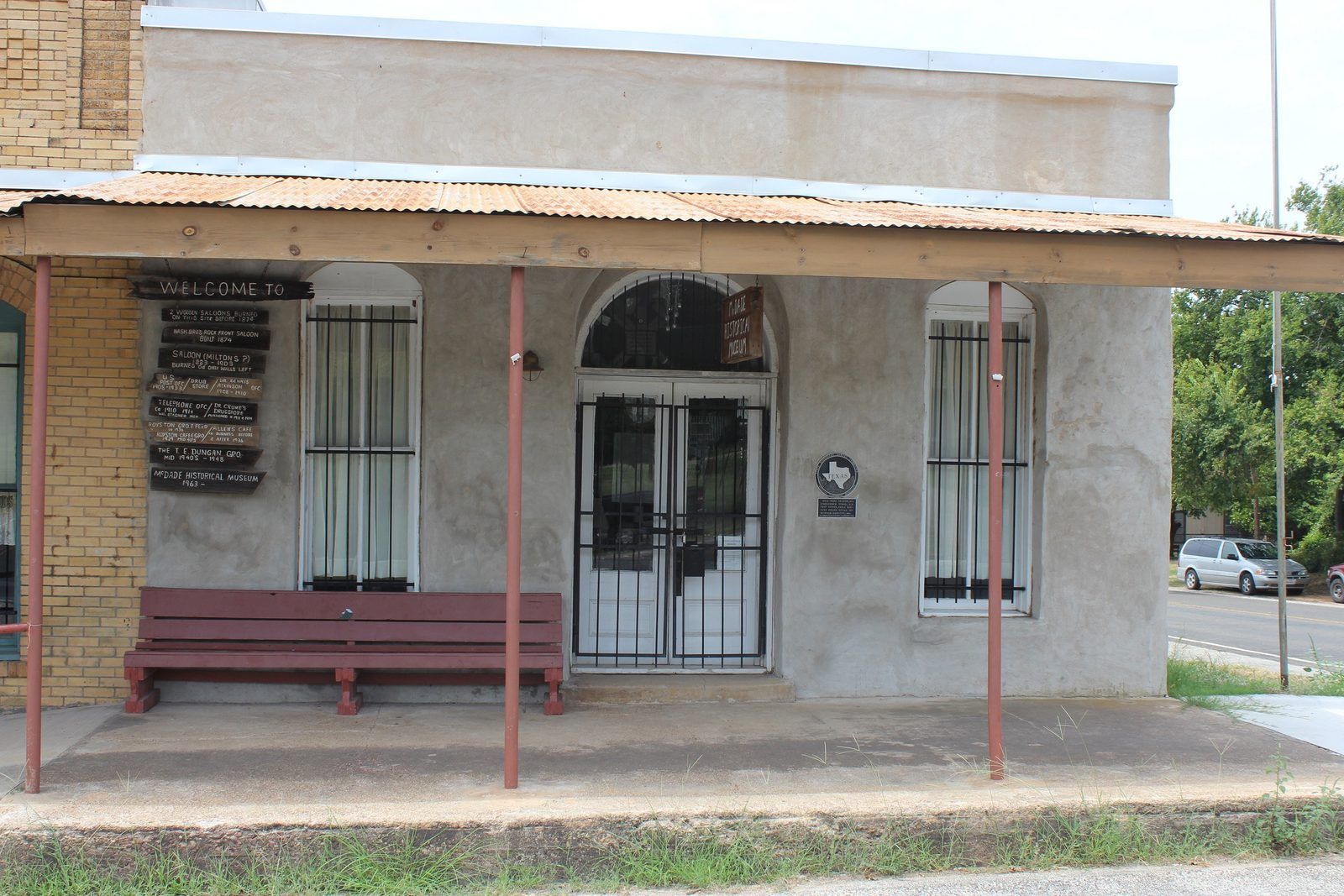
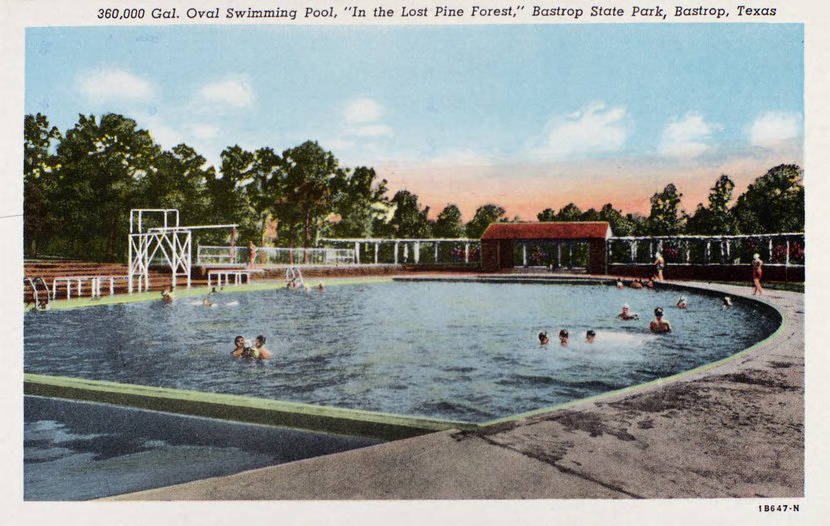
The photographs in the carousel include a 1906 view of McDade Pottery and a 1941 postcard of the swimming pool at Bastrop State Park, along with later, freely licensed photographs of the iron bridge, downtown Bastrop, the Elgin depot, and the Rock Front Saloon in McDade. Credits and licenses are under each slide.
This week: Dec. 2, 1889 — a contract for Bastrop’s first iron bridge
One hundred thirty-seven years ago this week, on Dec. 2, 1889, the Bastrop Bridge Company subcontracted the Chicago Bridge and Iron Company to build the town’s first iron bridge over the Colorado River. The Handbook of Texas records that date. The bridge company itself had been organized on Oct. 8, 1889.
The first bridge was completed on Sept. 1, 1890, and inaugurated in January 1891. It was 1,369 feet long, with two wrought-iron cantilever trusses, and cost $45,000. At first it was a toll crossing, and it quickly put Bastrop’s ferries out of business. In December 1898 the builder sold the bridge to Bastrop County for $24,200, and it became a free crossing.
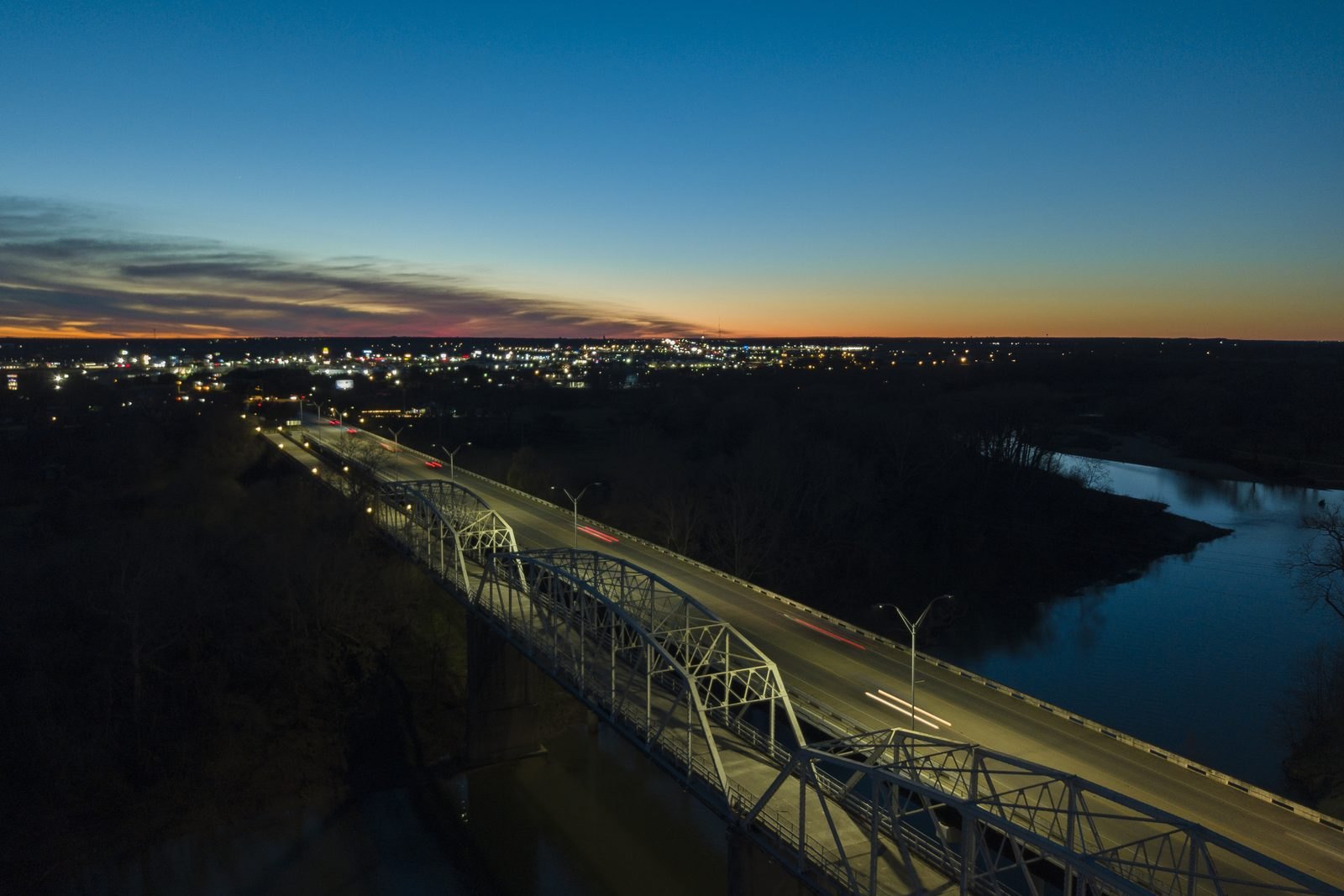
The span standing today is the second Old Iron Bridge, a Parker steel-truss structure built in 1923 and opened the following year, after automobiles made the original wooden-floored bridge inadequate. The National Park Service listed it on the National Register of Historic Places on July 19, 1990, as the Colorado River Bridge at Bastrop, reference number 90001031. It was closed to vehicles in 1992 and to pedestrians in 2018 because of structural concerns.
This Thursday, Dec. 3, the city is scheduled to reopen the rehabilitated bridge to walkers after an $11 million repair project. Details of the ribbon cutting, a new sculpture for love locks, and the evening lighting are in Bastropia’s Nov. 20 story, Bastrop’s Old Iron Bridge will reopen Dec. 3 after an $11 million rehab.
This month in history: Dec. 18, 1837 — Mina becomes Bastrop
On Dec. 18, 1837, President Sam Houston approved an act of the Republic of Texas Congress incorporating the town of Mina. The law is recorded in the Laws of the Republic of Texas.
The town and the county had not always used that name. The settlement was officially named Bastrop in 1832, then renamed Mina in honor of the Mexican patriot Francisco Xavier Mina. The Texas Historical Commission’s 1936 county marker dates to Dec. 18, 1837, the change of the county’s name from Mina to Bastrop, in honor of Felipe Enrique Neri, the Baron de Bastrop. The Handbook of Texas gives the same date for the town’s name being changed back to Bastrop. Those are the names the county and the county seat still carry.
This month in history: Dec. 22, 1978 — downtown Bastrop joins the National Register
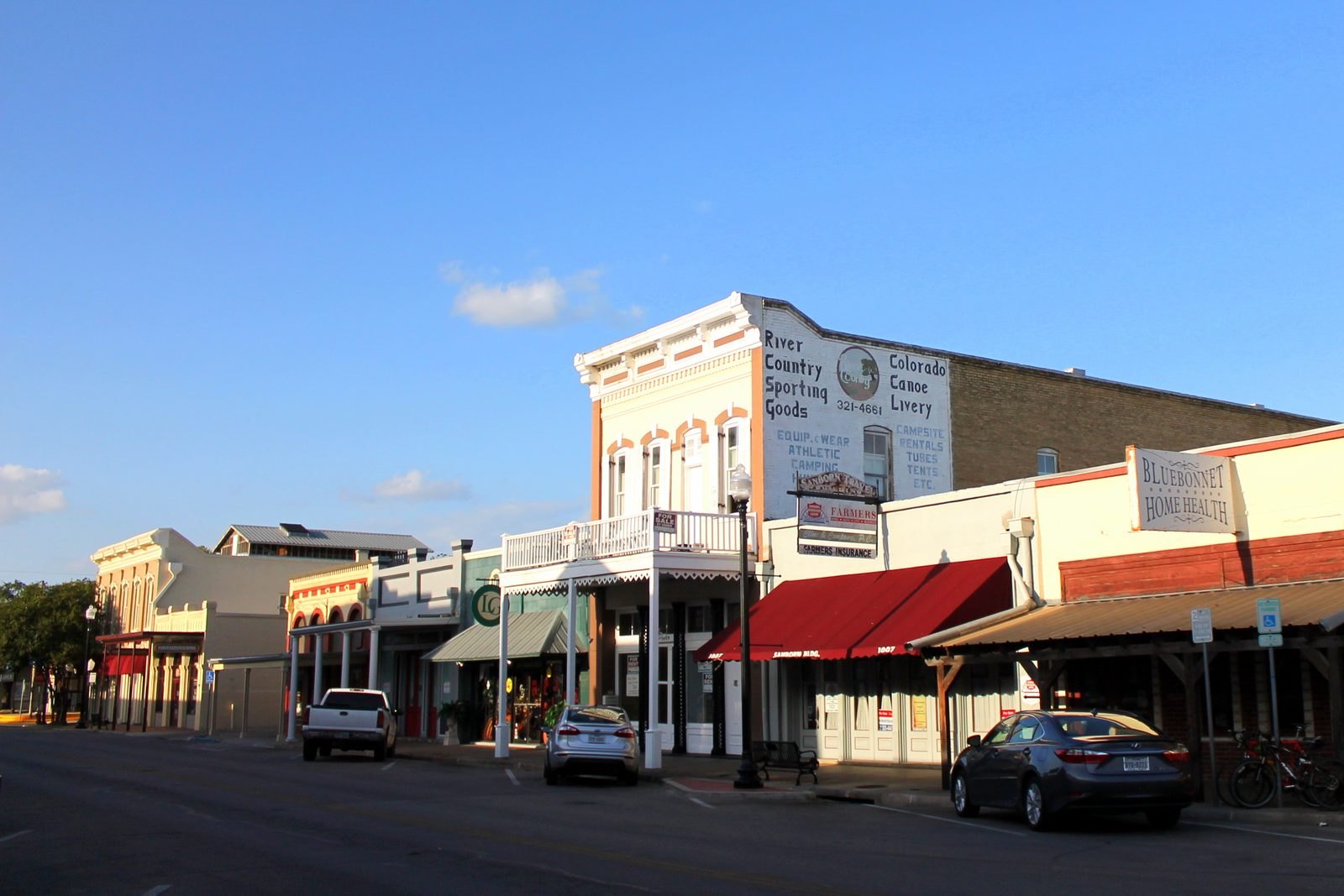
Forty-eight years ago this month, on Dec. 22, 1978, the Bastrop Commercial District was added to the National Register of Historic Places, reference number 78003262. The district is roughly bounded by Church, Water, Spring, and Walnut streets.
The listing was part of the Bastrop Historic and Architectural Multiple Resource Area. Dozens of other historic buildings in the city were listed the same day, including the 1891 Kesselus Building, a contributing structure in the commercial district. The 1889 Bastrop Opera House also stands in that downtown district.
The 1978 listings came three years after the courthouse and old jail were added to the National Register, a date covered in last week’s first edition.
This month in history: Dec. 25, 1871 — the Houston and Texas Central reaches this county on the way to Austin
On Dec. 25, 1871, the Houston and Texas Central Railroad reached Austin, making the capital the westernmost rail terminus in Texas. Texas Day by Day, from the Texas State Historical Association, records that date.
To get there, the line was built through northern Bastrop County. A flag stop called Glasscock was established along the route. On Aug. 18, 1872, the town was officially platted and named Elgin, in honor of Robert Morris Elgin, the railroad’s land commissioner, according to the Handbook of Texas. Many early residents came from nearby Perryville, which the railroad had bypassed. The Elgin Depot Museum still stands on that line.
This month in history: Dec. 24–25, 1883 — a violent Christmas in McDade
On Christmas Eve, Dec. 24, 1883, vigilantes in McDade hanged three men suspected of outlaw activity. The Handbook of Texas records the McDade Christmas hangings and the gunfight that followed.
On Christmas Day, a gunfight in front of a McDade saloon left three more men dead. A Texas historical marker in town identifies the Rock Front Saloon, now a museum, as the scene of that 1883 fight. The Handbook says the Christmas violence ended the period of vigilante “justice” in McDade, though gunfights there continued into the early 20th century.
McDade had grown as a Houston and Texas Central shipping point after the railroad arrived in 1871. In later years it was also known for McDade Pottery, which operated until World War II.
Also this week
Two dates already covered in last week’s first edition also fall in the days ahead. On Sunday, Nov. 29, the Smithville Residential Historic District marks 31 years on the National Register. On Monday, Nov. 30, is the anniversary of the 1890 death of John Holland Jenkins in Bastrop. Those stories are in the Nov. 20–26 edition.
Sources
- José Andrés Herrera Farías, “Old Iron Bridge,” Handbook of Texas Online
- National Park Service, National Register Information System, Colorado River Bridge at Bastrop, 90001031
- Bastropia, “Bastrop’s Old Iron Bridge will reopen Dec. 3 after an $11 million rehab,” Nov. 20, 2026
- Laws of the Republic of Texas, Vol. 2: “An Act to Incorporate the town of Mina,” approved Dec. 18, 1837
- Texas Historical Commission Atlas, Bastrop County marker (1936)
- Paula Mitchell Marks, revised by Kenneth Kesselus, “Bastrop, Texas,” Handbook of Texas Online
- Paula Mitchell Marks, “Bastrop County,” Handbook of Texas Online
- National Park Service, National Register Information System, Bastrop Commercial District, 78003262
- Texas State Historical Association, Texas Day by Day, Dec. 25: “Houston and Texas Central reaches Austin”
- Paula Mitchell Marks, “Elgin, TX,” Handbook of Texas Online
- Paula Mitchell Marks, “McDade, TX,” Handbook of Texas Online
More from Bastrop
All newsRelated stories
Countywide · November 23, 2026
Bastropia Daily, Monday, Nov. 23: Wildfire brush grant, the county's 2026 tax roll, data center permits resume
Countywide · November 22, 2026
Bastropia Daily, Sunday, Nov. 22: EdgeConneX tax talk Monday, Texas 71 address change, Winter Blast sign-ups
Countywide · November 21, 2026
Bastropia Daily, Saturday, Nov. 21: City backs downtown live music, river bank repair comments due, Acutronic raises $100M
Countywide · November 20, 2026


